
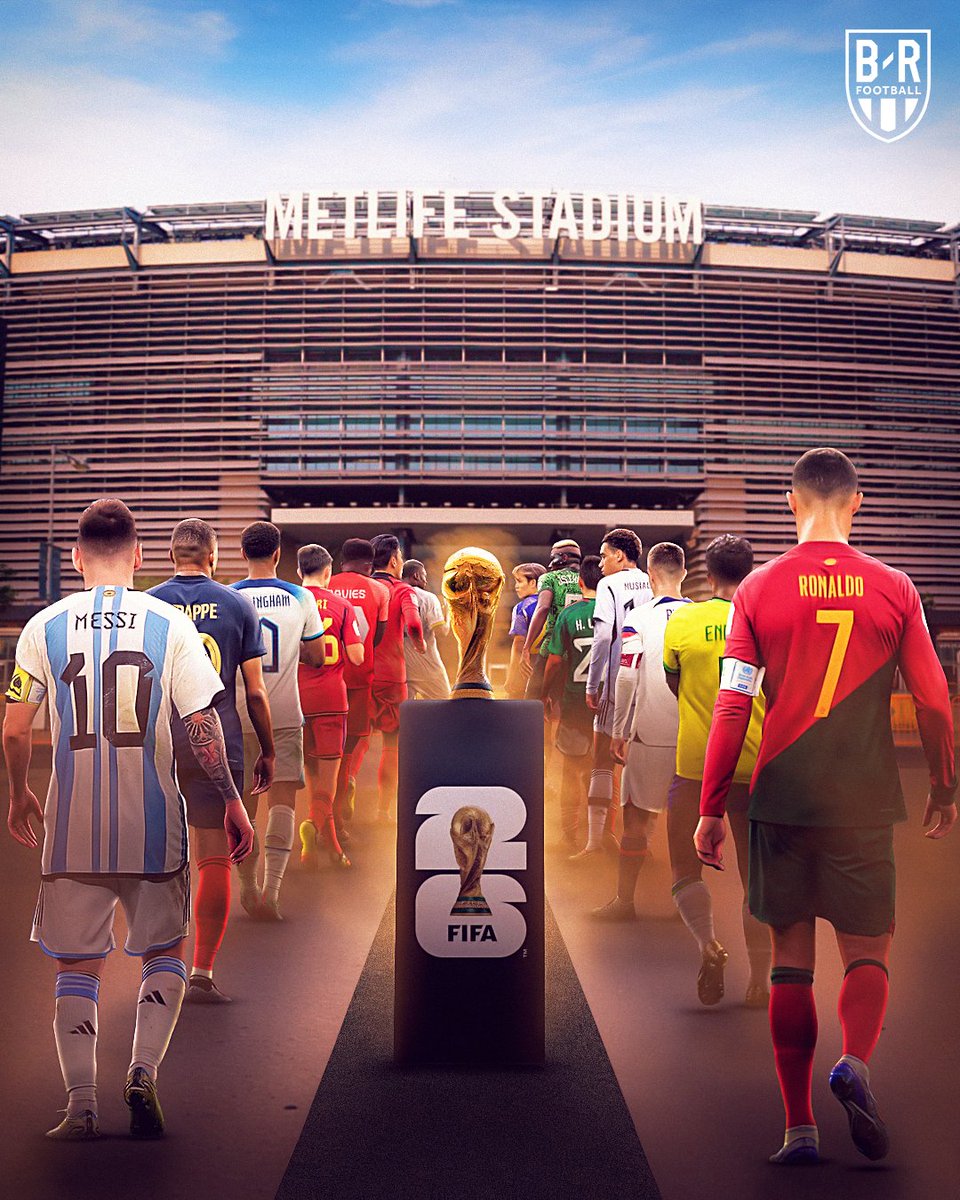
The 2026 World Cup is not just going to be about the soccer on the field. A huge part of what makes the World Cup special is everything that happens around the games, and in 2026 the entertainment side is expected to be bigger than ever. Since the tournament is spread across the United States, Canada, and Mexico, fans will be able to experience completely different cultures and atmospheres depending on where they go. The World Cup has always been known for its energy and celebration, but hosting it across North America means there will be massive events happening in multiple cities at the same time.
One of the biggest parts of the entertainment experience will be the fan festivals. Every host city is expected to set up large public viewing areas where fans can watch matches on giant screens. These fan zones usually turn into all-day events with music, food stands, games, and activities. Even people who can’t get tickets to the matches will still be able to feel part of the tournament. In past World Cups, fan festivals have drawn hundreds of thousands of visitors, and with the size of North American cities, the crowds in 2026 could be even bigger.
The mix of cultures is going to make the atmosphere especially interesting. Supporters from dozens of countries will travel to North America, bringing their traditions with them. It’s normal during a World Cup to see fans walking around cities wearing team jerseys, waving flags, and singing songs. Restaurants and bars usually fill up with supporters watching games together, and entire neighborhoods sometimes take on the identity of a particular country’s fans. Since the United States and Canada are already very diverse, the World Cup will probably feel like a global gathering in a way few events do.
Music and live events will likely be a major part of the experience. Big sporting events often include concerts and performances, and the World Cup is no exception. Host cities usually organize live shows in the days leading up to matches, and major artists often perform at fan festivals or special events. Because the 2026 World Cup is being held in countries with huge entertainment industries, especially the United States, the concerts and shows could be some of the biggest ever connected to a World Cup. There will probably be performances before major matches and especially around the opening ceremony and final.
The opening ceremony itself is expected to be a major entertainment event. World Cup ceremonies usually include music, dancing, and large visual performances that highlight the host countries. With three host nations, the ceremony will likely combine elements from American, Canadian, and Mexican culture. Millions of people around the world will watch the ceremony before the first match even begins. The final match will likely include another major show as part of the closing celebration.
Food will also be a huge part of the World Cup experience. One of the best parts of traveling for a tournament like this is trying different local foods. Fans visiting Mexico might experience street tacos and traditional dishes, while cities in the United States and Canada will offer everything from barbecue to international cuisine. Stadiums themselves are expected to have wide food selections compared to many other countries, which should make the experience more enjoyable for fans attending matches.
Another big entertainment factor will be the atmosphere inside the stadiums. Many of the venues being used for the 2026 World Cup are enormous NFL stadiums with advanced sound systems and huge video boards. Pregame entertainment, music, and crowd activities will likely be a big part of the matchday experience. Even before kickoff, stadiums are expected to be filled with noise and excitement as fans arrive hours early to tailgate and celebrate.
The World Cup is also known for creating moments that go far beyond sports. Fans often remember the celebrations in the streets just as much as the matches themselves. When a team wins an important game, supporters usually gather in public spaces to celebrate together. In large cities, these celebrations can last late into the night. The shared excitement is one of the reasons the World Cup is different from regular sporting events.
Social media will make the entertainment side even bigger in 2026. Fans will constantly be posting videos, photos, and reactions online, which spreads the excitement far beyond the stadiums. Viral moments, celebrations, and unexpected events often become part of the story of a World Cup. Even people who are not closely following the tournament usually end up seeing highlights and fan reactions online.
Tourism will also be part of the experience for many visitors. Fans traveling to matches will often spend extra days exploring host cities. Someone attending a game in Los Angeles might visit the beaches or Hollywood, while fans in New York might explore famous landmarks. Visitors to Mexico City or Toronto will have completely different experiences. The chance to combine travel with soccer is one reason many fans plan World Cup trips years in advance.
Merchandise and collectibles are another part of the entertainment side. Official jerseys, scarves, and souvenirs become popular during every tournament. Fans like to collect items from matches they attend, and host cities usually sell special edition merchandise. Streets near stadiums are often filled with vendors selling team gear and World Cup-themed items.
For many people, the World Cup becomes a daily routine during the tournament. Fans gather with friends or family to watch matches, often planning their schedules around kickoff times. With so many games being played in 2026, there will almost always be something happening. Even casual viewers often get caught up in the excitement once the tournament begins.
The World Cup is expected to introduce expanded advertising during matches by allowing short commercial breaks during natural stoppages in play. Traditionally, soccer has featured continuous action with only halftime serving as a guaranteed window for commercials, which makes it different from sports like American football that regularly pause for ads. However, with the 2026 tournament expanding to 48 teams and more than 100 matches across the United States, Canada, and Mexico, broadcasters are facing higher costs and looking for additional revenue opportunities. Instead of stopping the game specifically for ads, networks plan to use moments such as injury stoppages, VAR reviews, substitutions, and hydration breaks to briefly air commercials or sponsored content. This approach allows advertisers to gain exposure without interrupting live play. The shift reflects the growing commercialization of global sports and the influence of American-style broadcasting, where television rights deals and ad revenue are central to funding coverage. Streaming platforms have also played a role, as many rely on short, targeted ads during live events. While some fans worry that increased advertising could hurt the traditional flow of the game, organizers insist the breaks will be limited and carefully timed.
Overall, the entertainment side of the 2026 World Cup could be just as important as the soccer itself. The combination of huge cities, diverse cultures, concerts, fan festivals, and celebrations will make the tournament feel like a month-long festival. For fans traveling to North America and for people watching from home, the World Cup will be about more than just who wins the trophy. It will be about the atmosphere, the experiences, and the memories created along the way.