

Walk into any high school hallway last year and the year before, and you would have seen it instantly: heads bent over glowing screens, fingers flying across keyboards, students laughing at TikToks or scrolling endlessly through Instagram. Phones have become an inseparable part of our daily lives. For some, they’re a lifeline—a way to stay connected, share experiences, and never miss a moment. For others, they’re a barrier, preventing face-to-face conversation and creating a world where people are together physically but mentally elsewhere.
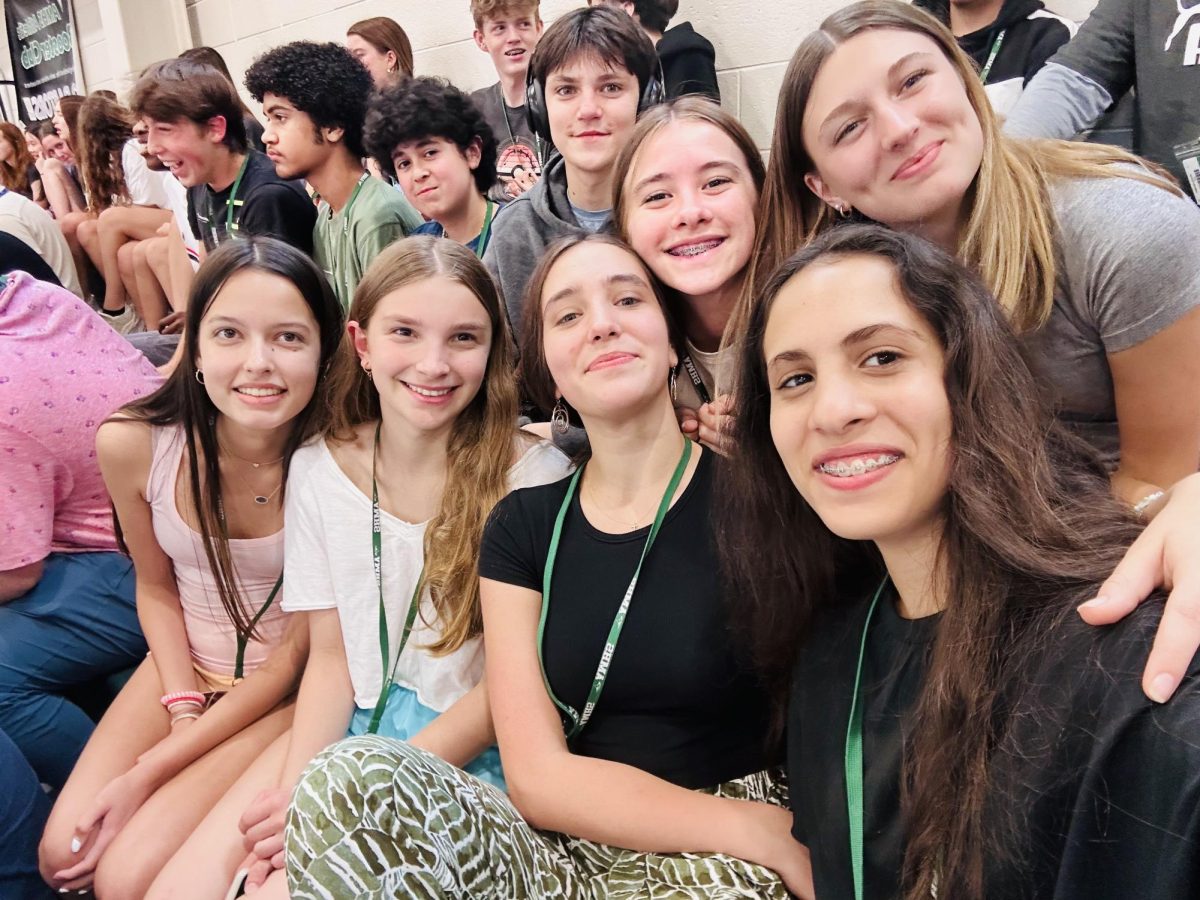
But no, since the ban on phones, students have not been on their phones and have actually been engaging in conversation with one another.
So, are phones helping or hurting our social lives? The truth is complicated. Phones have brought undeniable benefits, but they’ve also introduced new challenges for how we connect with each other.
Here are the cases for why phones are good in school:
1. Constant Connection
With phones, people can stay connected with one another all the time. Whether its snapchat streaks, group chats, or calls, being able to always communicate at any moment is a great feature of life in the 21st century. This allows for friendships to thrive outside of the classroom, even if people don’t live close to each other which is important for a school like Academic Magnet High School with people from all over Charleston. For students juggling busy schedules and rigorous workload, it becomes much easier to balance the social aspect of life with phones.
2. Expanding Social Circles
Phones, and the apps that come with them, help students meet people they might never interact with otherwise. Social media lets people connect with others who they might not have met otherwise. These virtual connections often turn into real-world friendships, giving students a sense of belonging across different groups.
3. A Tool for Self-Expression
From Instagram stories to TikTok videos, phones give students new ways to share their creativity, humor, and perspectives. Posting memes, sharing playlists, or uploading art helps people find communities who “get” them. For students who feel shy or struggle in face-to-face conversations, phones can be a safe starting point to express themselves.
4. Keeping Long-Distance Friendships Alive
Moving, changing schools, or just being separated over summer break no longer means friendships fade away. Texts, video calls, and DMs keep people connected, no matter the distance. For students with friends or family in other states—or even other countries—phones make long-distance relationships possible in a way previous generations could only dream about.
Here are the cases for why phones are bad in school:
1. Replacing Face-to-Face Conversation
While phones connect us virtually, they sometimes disconnect us physically. How many times have you sat at lunch and noticed everyone glued to their phones instead of talking? Students admit that it’s easy to scroll rather than strike up a conversation, leading to fewer meaningful in-person moments.
2. The Pressure of “Perfect” Online Lives
Phones often expose students to highlight reels of others’ lives. Perfect photos, exciting trips, or big friend groups can make students feel left out or insecure. This pressure to curate a “perfect” online self can strain real-life interactions, as people feel they don’t measure up.
3. Miscommunication and Drama
Tone is hard to read through text. A short response might seem rude, when in reality, someone was just busy. Group chats can spiral into drama quickly, with misunderstandings escalating faster than they might in a face-to-face conversation. For high schoolers, this kind of digital conflict can put major stress on friendships.
4. Screen Time Replacing Quality Time
Phones are designed to be addictive. Endless notifications, games, and feeds can take hours without us realizing it. For many students, that means less time hanging out in person, less focus during conversations, and less ability to enjoy the present moment. Some friendships suffer because one person feels “ignored” when their friend is glued to a screen.
To get a clearer picture, we asked a few students their take on the question.
- Sophia, senior: “Honestly, I think phones help me stay close with people. I talk to my best friend every night, even if we don’t see each other much during the day. Without my phone, I don’t think we’d be as close.”
- Jack, senior: “I feel like phones make everyone more distracted. At lunch, people barely talk because they’re just watching videos. It felt like we weren’t all together, but with the phone ban, we have been more in touch with one another.”
- Blake, senior: “Phones are good and bad. They help me keep up with my friends, but sometimes I feel pressure to respond to messages immediately or keep streaks alive, which gets stressful.”
These mixed responses show that there’s no single answer; phones play different roles in different people’s social lives.
We must find a balance so they we can satisfy both parties.
Maybe the real question isn’t whether phones help or hurt, but how we use them. Phones themselves aren’t inherently good or bad; it’s the habits we form around them that matter.
- Set phone-free zones: Try putting phones away during lunch or hangouts. It’s easier to talk when there aren’t screens between you and your friends.
- Be intentional online: Instead of mindless scrolling, use your phone to genuinely connect—sending a thoughtful text, checking in on a friend, or sharing something meaningful.
- Notice when it’s too much: If scrolling leaves you feeling drained or left out, it might be time to take a break. Prioritizing real conversations can strengthen relationships.
- Mix digital with real: Keep Snap streaks alive, but also plan a coffee run, game night, or study session in person. That’s where deeper connections grow.
So are phones helping or hurting our social lives? The answer isn’t black and white. They’re helping us connect across distance, express ourselves, and maintain friendships, but they can also distract us, create pressure, and make face-to-face conversation harder.
For high school students, the challenge is to find balance. Phones should be tools that enhance our friendships, not replacements for them. By being intentional about how we use them, we can enjoy the best of both worlds: the digital connections that keep us plugged in, and the real-world conversations that truly bring us closer.
So what do you think about the phone ban???