


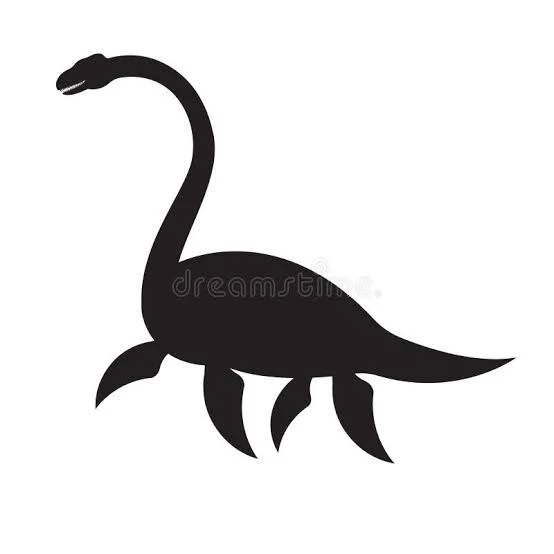
This is by far one of the most TERRIFYING animals that ever roamed the earth. Thankfully, these carnivorous animals mainly fed on squid and other small marine animals, so in theory humans should
be saved. Nevertheless, the sheer size of this animal makes it absolutely menacing. If I were to see this animal in the water, this would surely cause a massive cortisol spike. The shape of this animal looks reminiscent of a lochness monster albeit this one could be a little bit more scary. In my opinion, this one sort of looks like a snake combined with a whale, but it has giant teeth.
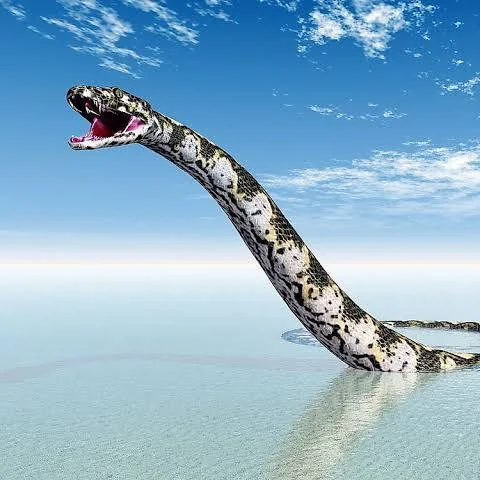
The regular snake, ie a copper head, rattlesnake, or boa constrictor is pretty scary. Maybe it’s just me, but the average snake causes quite the scare. But for a second, just imagine one 10X bigger! If you roamed south america some million years, you wouldn’t have too. The tiataboa is just like the name suggests, a titan amongst men.. It is said that it could eat an entire prehistoric family, and still be hungry. In fact, although it would not be venomous, I would be more scared the this creature than any other animals that walks, snakes, or slithers. Honestly, it might be for the better that these animals are off of the face of the earth. Let me hit you with a couple scientific facts about this beast. It could measure up to 48 feet and the body was over 3 feet wider. Get this, it was NO natural predator. This is probably because it is absolutely massive. Not only this, but its jaw is huge.
Next up we have on the the largest, biggest, most huge bird that has flown over the massive big blue earth
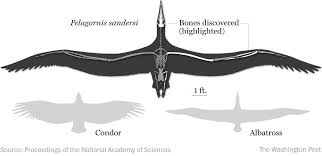
I know what you are thinking, is that a regular-sized man or just a midget? No, this is actually a full-grown person next to one of the largest birds of all time. The wingspan reaches up to twenty-six feet. That is almost the size of a large car. Not only this, but it was documented by some to be uniquely aggressive. I don’t know about you guys, but I would find it pretty terrifying to see this monstrosity come out of the bright blue sky. Let me hit you with some scientific facts about this crazy dino-like raptor bird. It is also the bird that has flown with the most mass and uses “therma; updraft: to “ to fly, as it simply is a miracle. Another interesting fact about this bird is the mere size of its beak, which is rumored to be the size of an entire human arm.
Overall, both now and then, there are always animals that it is easy to say are scary and desirable to stay away from, but in my opinion, we should always respect animals for what they are. It really is true that ninety-nine percent of the time, they are honestly just terrified and the best we can do is do everything we can to protect them from all possible harms that could come this way. Remember, we are all on the world together and no matter how scary something looks, animals are usually just trying to stay alive
.
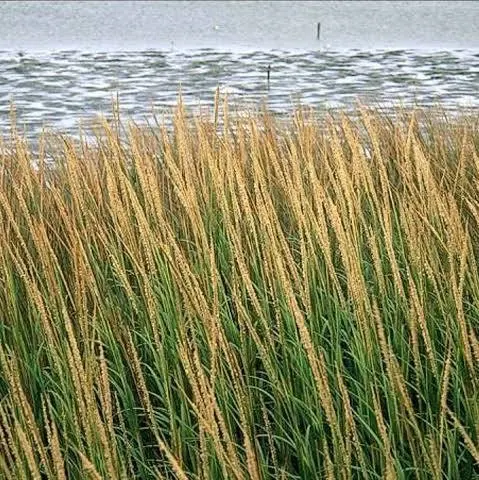
Carbon Dioxide is known to have significant positive effects on the growth of Spartina plants. This occurs because it increases the availability of Carbon Dioxide for photosynthesis– the process in which plants convert carbon dioxide into glucose (the sugar that they use for growth and energy). Carbon Dioxide is the main ingredient for photosynthesis, so it makes sense that increased levels would stimulate growth. Increases can also be attributed to Stomata Regulation. Because they have excess access to carbon dioxide, they do not need to use their stomata as much to capture more. This leads to less water leaving the plant due to transpiration and overall increases the efficiency of the growth process. This connection is supplemented by research done by Duarte et al. They write that the excess of CO2 especially encourages the levels of carbon-related enzymes: “most carbon-related enzymes suffer an increase under increased CO2.”(Duare et. al) These enzymes encourage the conversion of CO2 to glucose. Thus, having more of them allows the plant to create energy at a faster rate and therefore grow quicker.
However, other research notes that Carbon Dioxide may have a more complicated effect on Spartina Plants. The Smithsonian Environmental Research Center writes that increased Carbon Dioxide may have potent effects on other plants. They detail that “Schoenoplectis americanus” may be much more adept at absorbing excess carbon dioxide and seeing increased growth(Elevated Carbon Dioxide and Plant Communities, n.d). Based on this research and previous connections, we can assume that carbon dioxide has positive effects on growth in Spartina plants, but these effects can be more potent in other plants.
Spartina is a plant known for its unique presence in coastal marshland. The seed germination and growth process goes as follows: first, it flowers in late summer or the beginning of fall. After this fertilization, the Spartina enters a period of dormancy, usually dictated by the surrounding temperature. When the conditions are right, the seed uptakes water and begins to spread its roots downward. Then, the Spartina survives through glands that excrete salt. They then send rhizomes, which can then form new shoots. It is possible that Spartina can grow from seed, but it usually grows from underground rhizomes. However, due to constant salinity and tidal effects, they have needed to develop proficient methods to germinate and grow. One of the necessities of these processes is the dormancy before releasing seeds in environments that have temperature fluctuations and colder environments. For example, take evidence from Biber in 2008: “Cold and wet storage (stratification) is a must to break dormancy and promote germination of seeds in S. Alterniflora. A minimum of 4-8 weeks at 4°C appears necessary” (Biber, 2008). This process is to break dormancy and make sure that the seeds survive winter before releasing.