
In late March, conservative political leaders from across the EU and the world gathered in Budapest to rally for right-wing causes across the globe. The Hungarian Conservative Political Action Conference (CPAC Hungary) was attended by such figures as the conservative libertarian Javier Milei, President of Argentina; Alice Weidel, leader of the far-right German AfD party; U.S. Republican congressmen Russ Fulcher and Andy Harris, who American Conservative Union chairman Matt Schlapp referred to as the “best congressmen” in his address at the event; and “shieldmaiden of the far right” Eva Vlaardingerbroek, who claimed in her speech that white people face “deliberate and systematic destruction” in modern Europe. Much of the event’s rhetoric was targeted towards the European Commission and Ukrainian President Volodymyr Zelensky, whom the event’s website referred to as “imperial” and “pro-war.”
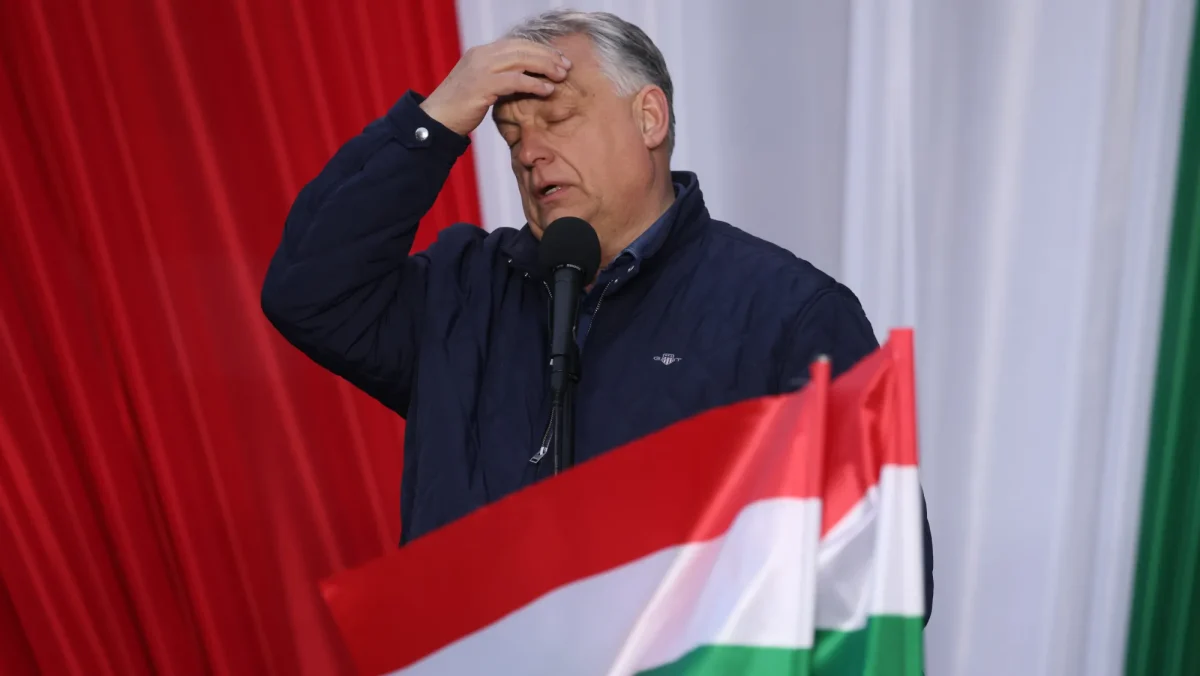
The undisputed star of the show, however, was the event’s host, Hungarian Prime Minister Viktor Orbán. Orbán, who was three weeks out from a parliamentary election which would determine whether he would remain in an office he had held for 16 years, was the focus of the event, with endorsements including a video statement from US President Donald Trump, who said that he had “shown the entire world what is possible when you defend your borders, your heritage, your sovereignty and your values.” The event’s website boldly declared: “the Right will win in April (emphasis mine)… Europe and the world stand with Viktor Orbán.” Throughout his years leading Hungary, Orbán has become a kind of international celebrity for the right wing, especially in America, where he has had media appearances with Tucker Carlson and speaking roles at American CPAC conferences.

Orbán’s importance to right-wing movements around the globe is difficult to understate. His government has funded conservative think tanks, periodicals, and international conferences like CPAC Hungary. Orbán is a persistent critic of the European Union, often denigrating “Brussels” (the administrative center of the EU) in his political speeches. Hungarian law under Orbán has served as a model for conservative legislation in other countries. Hungary privatised many public schools and universities, appointed conservatives to university leadership positions, and amended national curriculum standards to include “national identity, Christian cultural values, [and] patriotism.” Orbán’s government has adopted many natalist policies as well, increasing restrictions on abortion and implementing a lending program favoring families with three or more children. This is part and parcel with Orbán’s insistence that native-born Hungarian populations are being replaced with immigrants, which he has used to justify many anti-immigration policies, including refusing to allow asylum-seekers within Hungary in defiance of EU policies. He has also publicly sent detained migrants to other EU nations in order to spread anti-immigrant sentiment and gain publicity in the sphere of EU politics.
Much of his policies and rhetoric have been adopted by American Republicans, leading conservative pundit and political strategist Stephen K. Bannon to dub him “Trump before Trump.” Florida Governor Ron DeSantis, for instance, has similarly appointed conservatives to university administration boards and pushed for laws supporting the teaching of patriotic ideas in schools. His state’s “Don’t Say Gay,” law, which bans “instruction” or “discussion” of sexuality and gender identity in elementary schools, later expanded to middle and high schools, was allegedly inspired by a similar Hungarian law. Additionally, in 2022, DeSantis flew a group of Venezuelan asylum seekers from Texas to Martha’s Vineyard, the affluent, largely liberal Massachusetts vacation community, as a political stunt, similar to Orbán’s public transportation of refugees to more liberal areas of the EU.
All of this amounted to Viktor Orbán becoming a model leader for right-wing politicians around the globe, and his electoral success a matter of great symbolic importance, even for right-wingers as far away as the United States. US Vice President J. D. Vance even flew to Hungary to support Orban at a rally, extolling the Hungarian crowd to “stand with Viktor Orbán” and (after a first attempt went to voicemail) calling President Trump, who declared, “I love Hungary and I love that Viktor.” However, on April 12, 2026, Hungarian voters voted against Orbán’s party, which lost nearly 80 seats in the Hungarian National Assembly, and Péter Magyar, a moderate conservative and a former political official under Orbán, became Prime Minister.
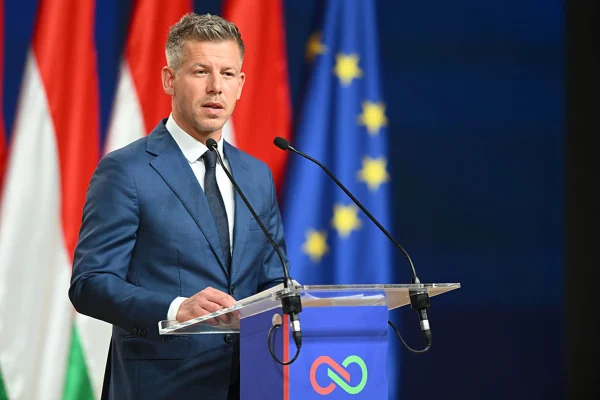
Despite his support from many popular right-wing figures, Orbán’s loss was divisive within the US Republican Party. Despite his glowing endorsement by the President and Vice President, many Republican members of Congress, such as Rick Scott, Stephen Sestanovich, and Mitch McConnell, publicly congratulated Magyar, denigrating Orbán in the process. This is because of an aspect of Orbán’s administration which I have so far neglected to mention: notorious corruption and suppression of civil liberties.
After he assumed power in 2010, Orbán and his party passed a series of constitutional amendments and electoral reforms, cutting the size of the National Assembly in half and giving Orbán’s party an advantage in future elections. This led them to retain supermajorities in the next four parliamentary elections despite not even winning a simple majority of votes in 2014 and 2018. In 2018, the assembly dominated by Orbán’s party declared a state of emergency, allowing Orbán to make laws without the legislative process. Orbán’s government appointed party allies to positions in the media and the court system, allowing them to suppress critics of the government. Orbán and his allies used their positions to enrich themselves, and, in one instance, Orbán had a government-funded football stadium built next door to one of his houses. Péter Magyar, who is now Orbán’s most prominent opponent, was initially a political appointee of his government but quit when he found out that higher-ups in the administration were protecting officials implicated in a sexual abuse scandal. Orbán’s interventions to suppress his opposition only slowed the accumulation of public outrage against his government, and, ultimately, Hungarian voters turned against him.
Orbán is also notorious for his support of Russian President Vladimir Putin, whom he has publicly praised, including during the Russian invasion of Ukraine. Some of Orbán’s illiberal laws—such as one banning books, movies, and other forms of media from depicting LGBTQ+ people and movements in a positive light—are strikingly similar to similar laws passed under Putin. For many American critics of Orbán, including the aforementioned Republican congressmen who criticized him, this has made his influence over the global Right especially worrying, as, beyond his domestic authoritarianism, he openly aligns himself with one of America’s major international opponents.
In the aftermath of the election, Péter Magyar is beginning to undo Hungary’s financial support of right-wing organizations, including CPAC Hungary, which he said is “welcome [in Budapest], but not on Hungarian taxpayers’ money.” He also terminated government funding for other international right-wing institutions that held international sway over right-wing thought. Without Orbán and his desire to spread his domestic policy around the globe, Hungary will in all likelihood cease to be a center of right-wing thought, and American right-wingers like Trump and DeSantis will lose a major international ally and legislative model.