
What shapes a school’s vibe? People mention school spirit like it’s obvious, yet here, it feels more like questions than answers. Eighteen voices shared how regularly they show up for games and gatherings. Their words paint involvement – real, present – still paired with room to stretch further. Some wish for changes that might pull others in closer. Favorite moments stood out, distinct, personal. Each reply added texture, not polish. Growth isn’t hidden; it pulses quietly beneath daily rhythms.
It turns out quite a few students show up for school happenings, particularly when it comes to athletic contests. Roughly fifty percent noted they make appearances often, several going so far as catching nearly all gridiron matchups once autumn rolls around. Fall after fall, football pulls more draw than anything else, numerous replies pointing straight to consistent presence on game days. A respondent mentioned being there each Friday night for both football and hoops, someone else chiming in about tagging along for almost every home matchup across those two sports. That kind of repeat turnout suggests a solid base already fuels the vibe at these gatherings.
Some students show up now and then. Phrases such as “sometimes,” “once in awhile,” or “maybe once a season” popped up often. A small number mentioned going just a few times – or not at all lately. Distance played a role, so did low energy, along with missing the urge to be there. Living far meant one person skipped games, catching only the dance – too worn out, too removed.
Looking at everything together, signs point to decent turnout – though not everyone shows up the same. Some pupils appear often, others almost never, creating two separate groups. Fixing this split might just shift how the whole school feels about being there.
One thing kept coming up when students talked about boosting school spirit: being part of events. Not just attending, but getting involved mattered most. Phrases such as “people actually showing up” appeared again and again. Others said things like “people need to take part more often.” Spirit week came up too – some noted how rare it was to see freshmen dress up. A number of comments focused on younger students, hinting their presence shapes the overall energy. Without them joining in, the vibe feels off. Their role seems to carry extra weight somehow.
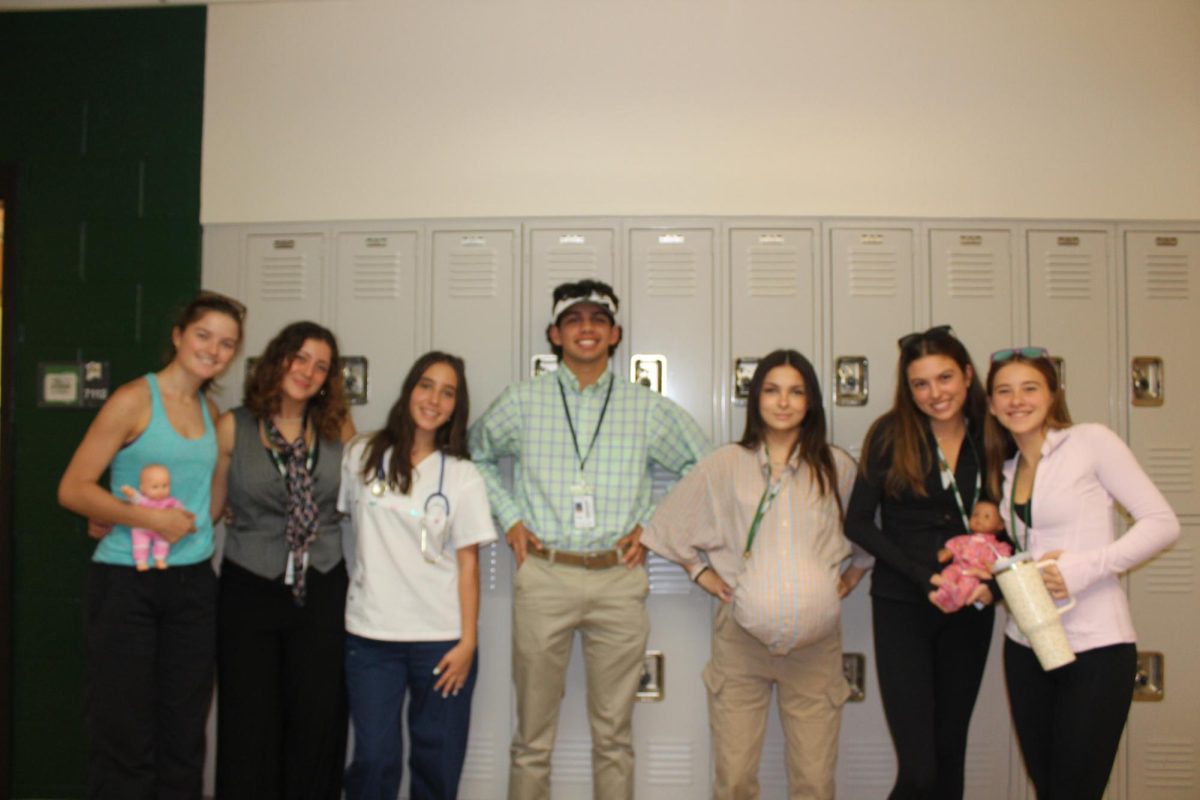
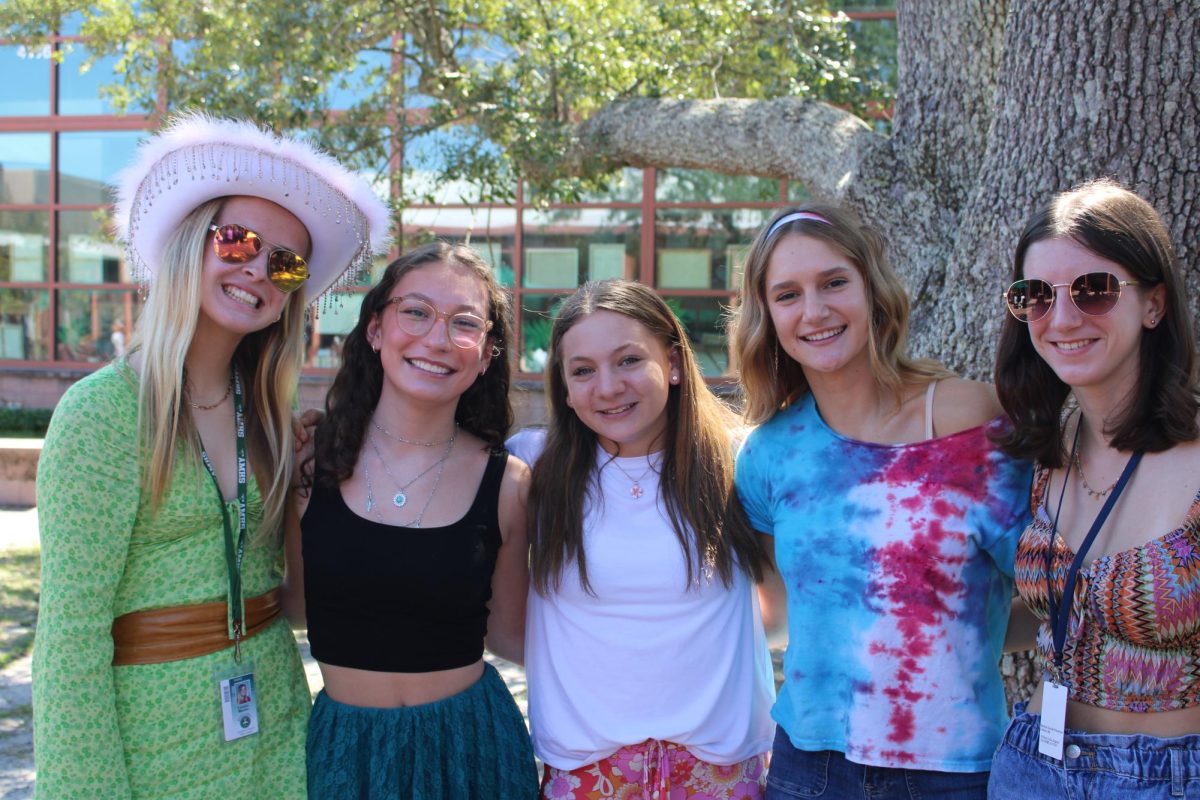
School spirit spikes when there are special happenings, particularly those tied to themed weeks woven into the academic calendar. Some learners pointed out how energy lifts during these times – costumes appear, hallways brighten with banners, excitement builds before rallies. One student noted peak enthusiasm shows up then, calling it the moment everyone feels most involved. A few proposed stretching that vibe further by adding extra weeks instead of just one. Suggestions ranged from tripling the count to scheduling a version every term. What stands out is how much kids appreciate moments built around shared involvement, chances that pull them closer to each other and the place itself.
Not just players but fans too saw ways to lift the mood during matches. Some pushed for color themes – think green-outs or lights-off nights – to spark new energy. Music popped up as well, with old-school big bands suggested for halftime and breaks. Instead of clumping near entrances, cheer captains might wander deeper into seating rows. Each thought shares a thread: livelier scenes where everyone feels pulled in, not left out.
Oddly enough, school pride came up in ways that had nothing to do with pep rallies. Some answers pointed at homework pressure – one said fewer mental crashes from endless assignments might lift morale. That matters because when kids are stretched thin, joining clubs or games can slip away, desire aside.
One frequent reply – straightforward, real – was just about victory. Some pupils mentioned better records could lift campus pride. Though the institution can’t always influence results, it shows how wins spark enthusiasm. Success on the field often brings a rush of shared energy.
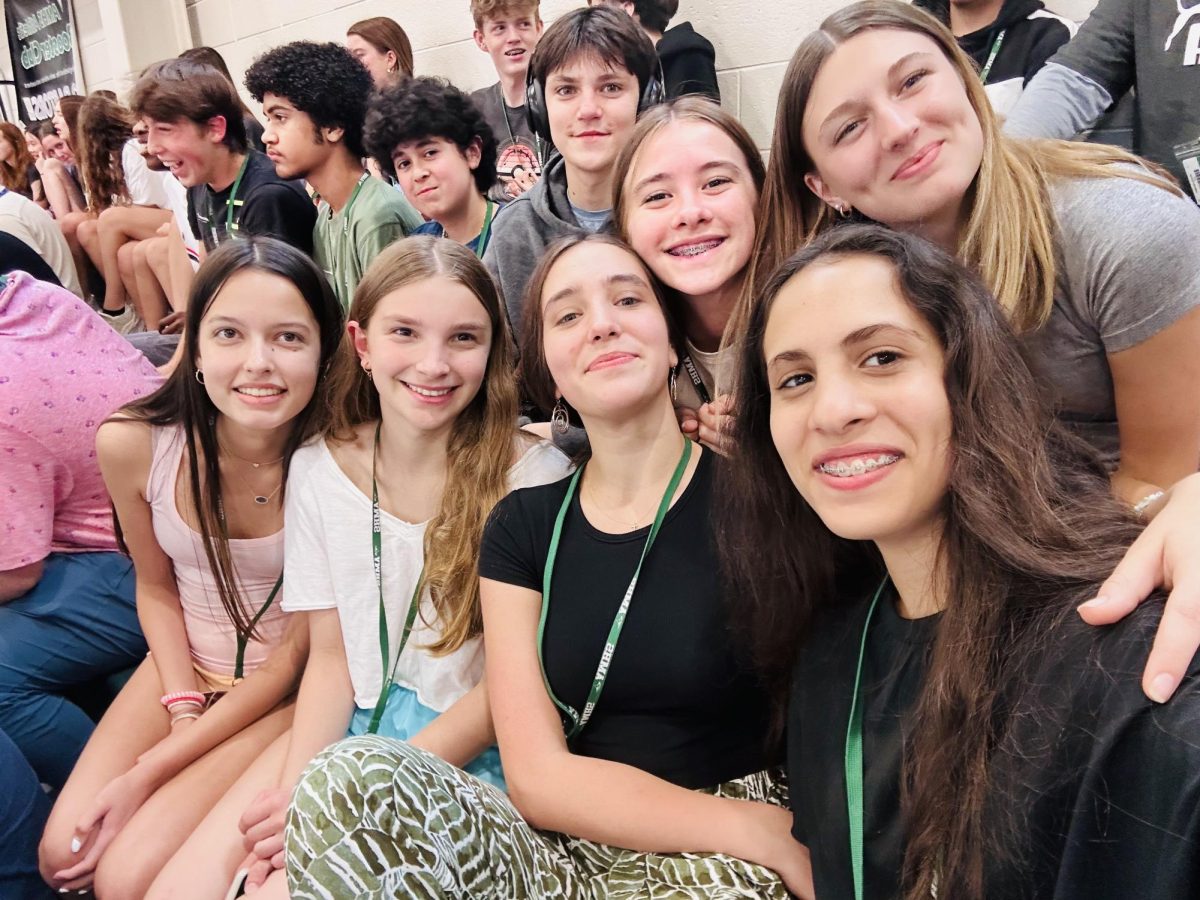
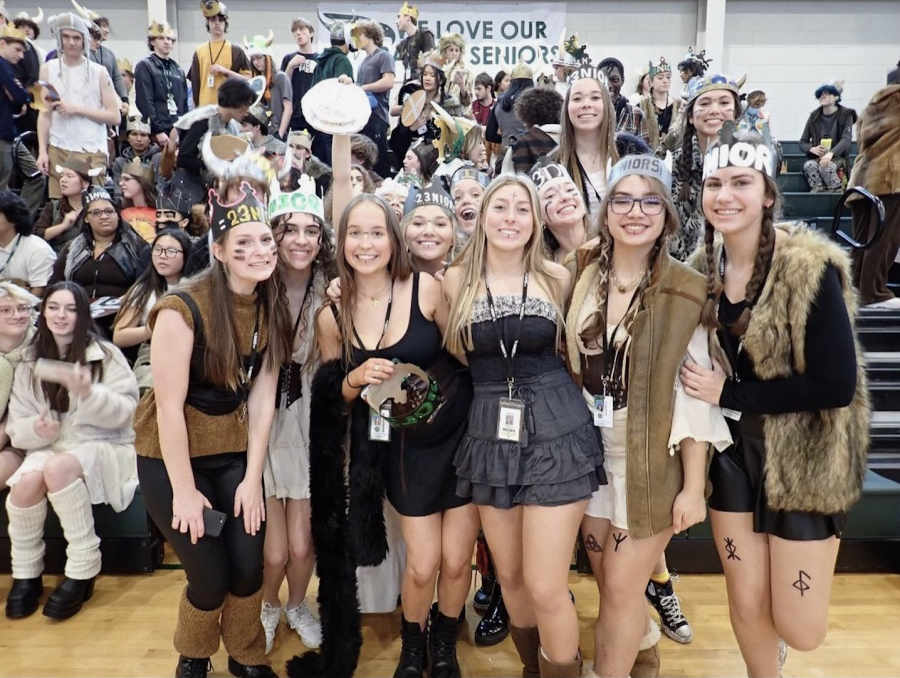
Pep rallies pop up often when kids talk about what they love most at school. Fun energy fills the room, one person noted, plus everyone gets to hang out under one roof. Games spark cheers, contests stir laughter, while earlier dismissals sweeten the deal. A student pointed out how good it feels when “everyone is excited,” adding that sitting beside pals in the gym means something real. Being together matters – that’s what another reply stressed, especially when “all the grades are in the gym.” Shared moments like these stick around long after the noise fades.
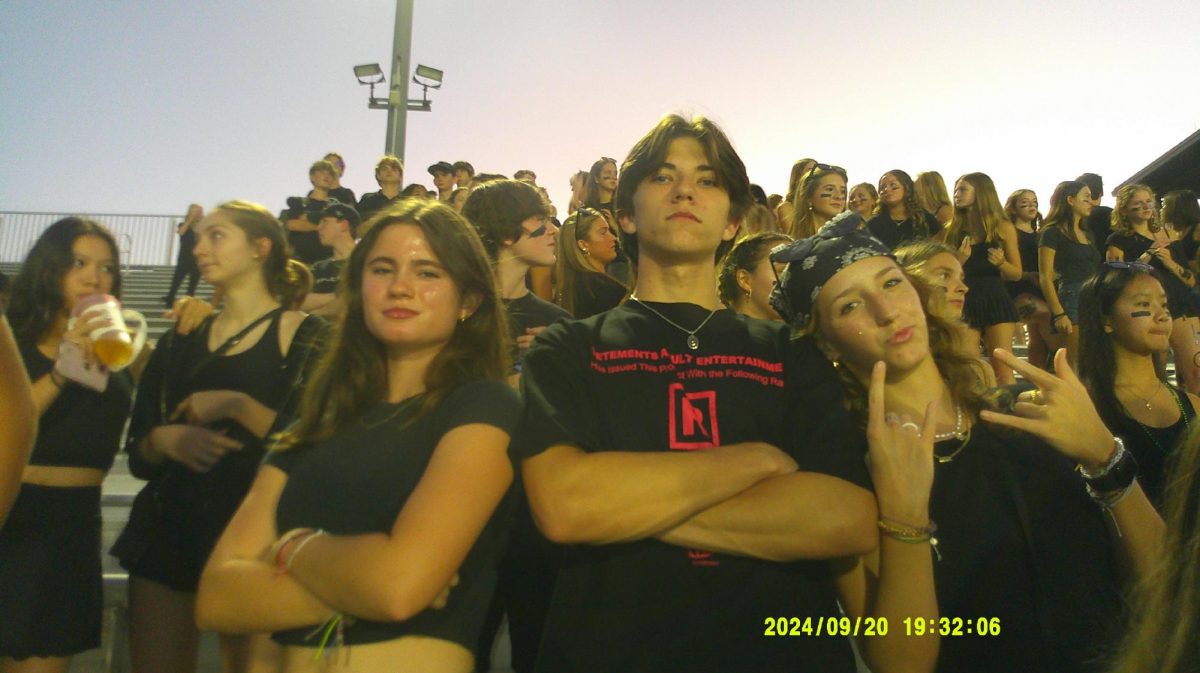
Games like football and basketball came up a lot when students talked about what they enjoyed. Where crowds gather, energy builds fast – particularly if fans wear themed outfits. The mood at football matches feels full of unity, almost like a shared ritual. Over on the court, things shift: basketball brings a sharper pulse, loud and quick between cheers. Each game shapes its own kind of moment, distinct yet meaningful in student life.
Outside of games and matches, folks here get into gatherings that feel fresh and open to everyone. Some brought up an evening where global dishes take center stage, others pointed to casual nights full of board games or shared screens. One event called “wall day” came up more than once – turns out it is specific to this place, nobody else does quite the same thing. What makes these moments stick isn’t just fun, but how they let people meet differently. Meals keep showing up in conversations too; sharing bites while chatting seems to matter more than expected.
Once more, spirit week stood out because kids found it both fun and simple to join – besides, homework tends to lighten up when it happens. Teachers scaling back on assignments adds to why students enjoy it so much. That ease of involvement seems to fuel its strong role in boosting school pride.
Most folks agree the school’s got some real energy when it comes to football, those loud pep gatherings, and Spirit Week. Still, things aren’t quite where they should be. Getting more students involved – especially younger ones – might shift the vibe slowly. Holding activities between classes could spark interest differently. The mood at contests might lift if changes happen quietly behind the scenes. Pushing too hard without pause tends to wear people down; fixing that may just keep enthusiasm alive longer.
What really matters might surprise you – school pride lives in the faces at events, not just the games or rallies. When learners decide to step in, as some noted, that energy spreads. A shift here or there, along with broader involvement, could deepen how connected everyone feels on campus.
Does our school have school spirit?
See what our survey found
March 30, 2026

More to Discover