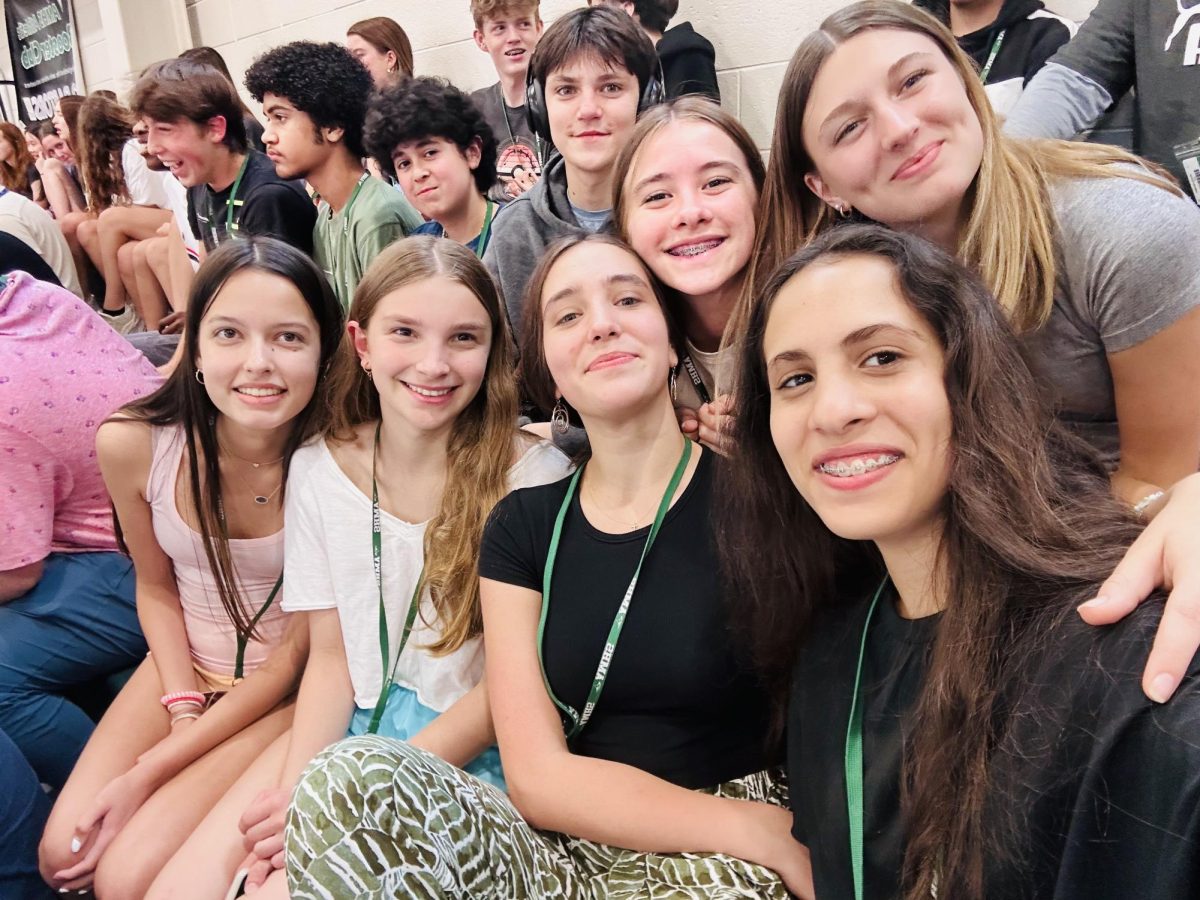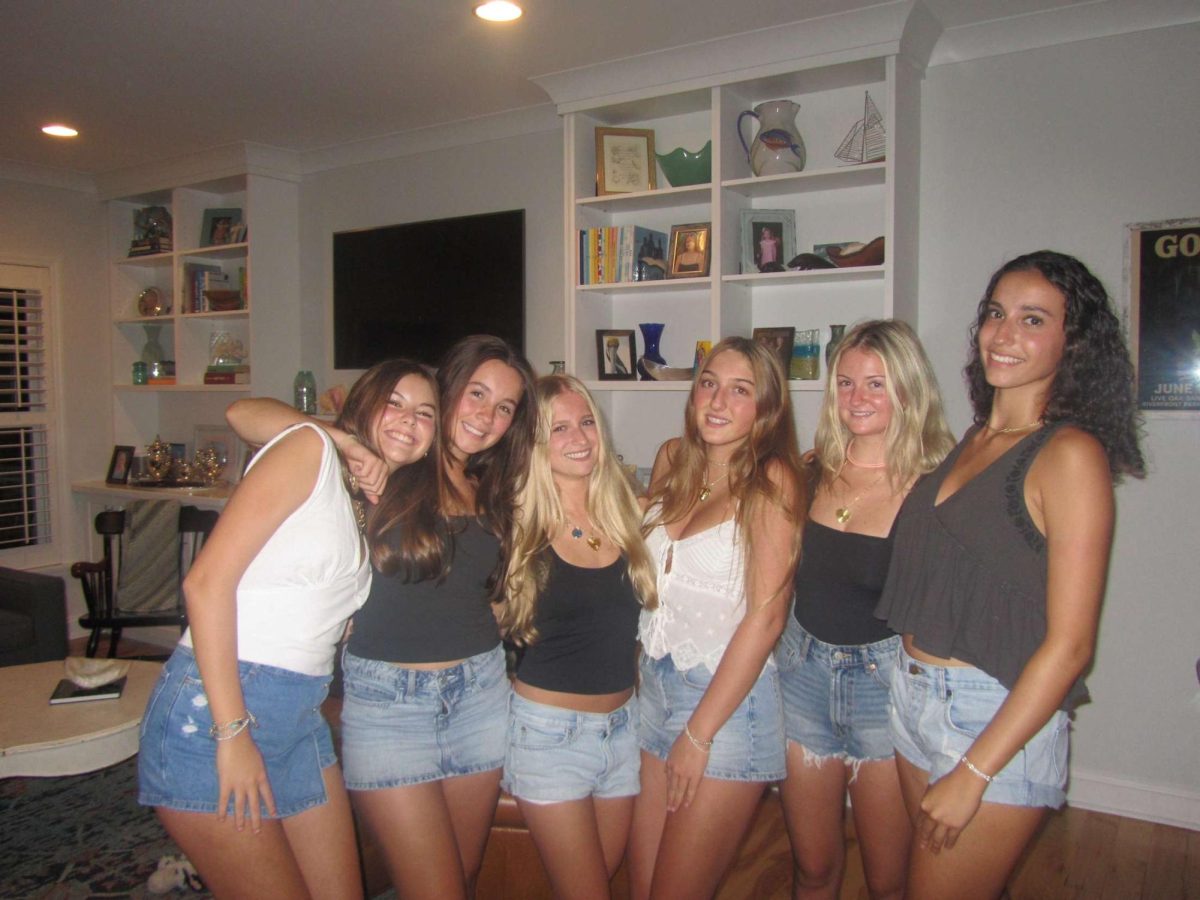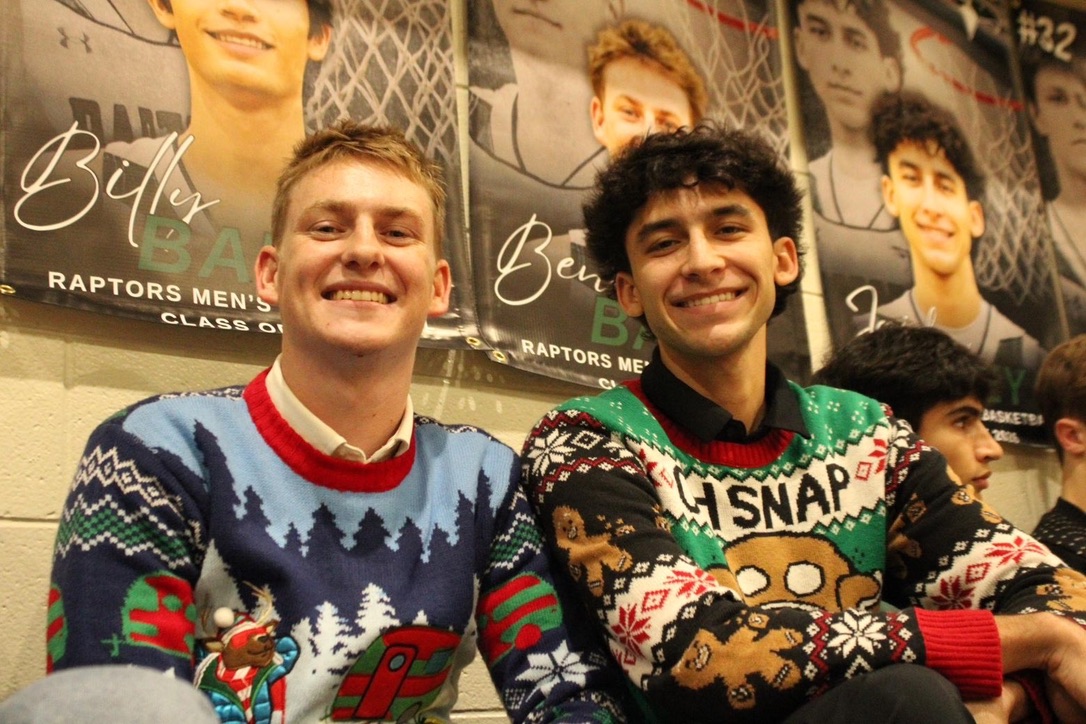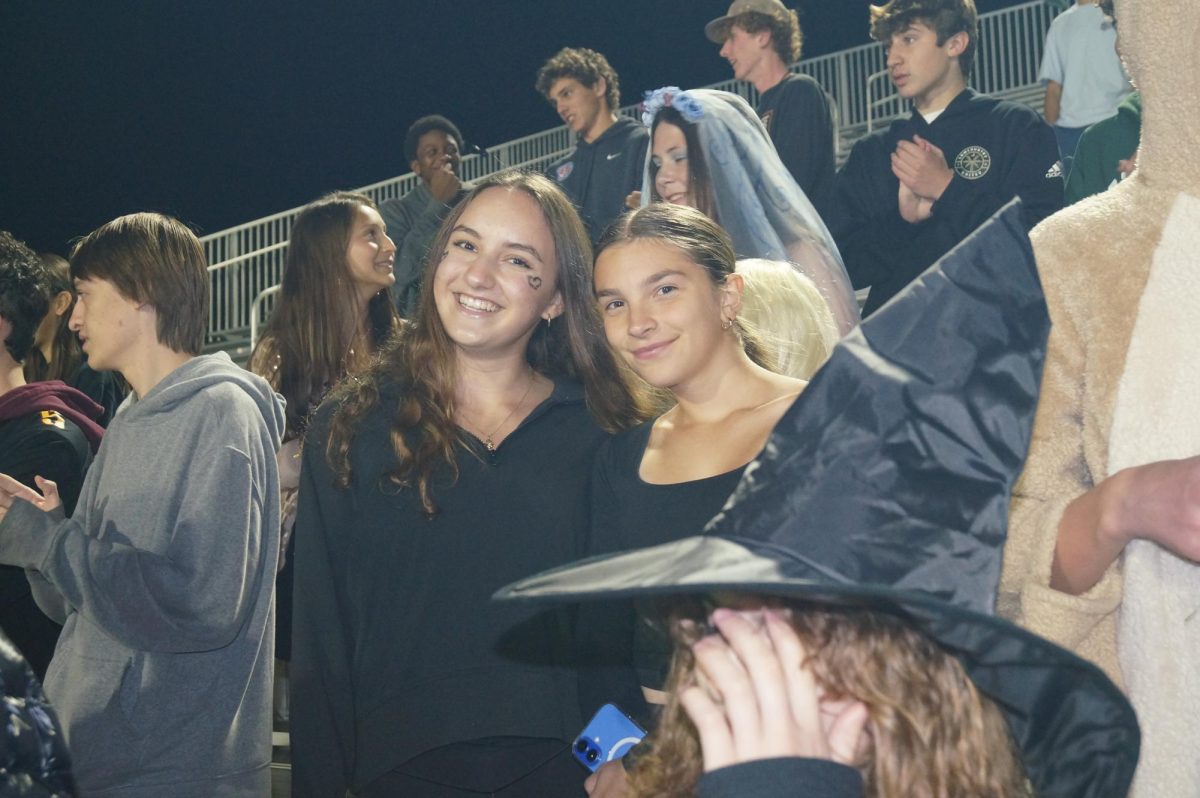

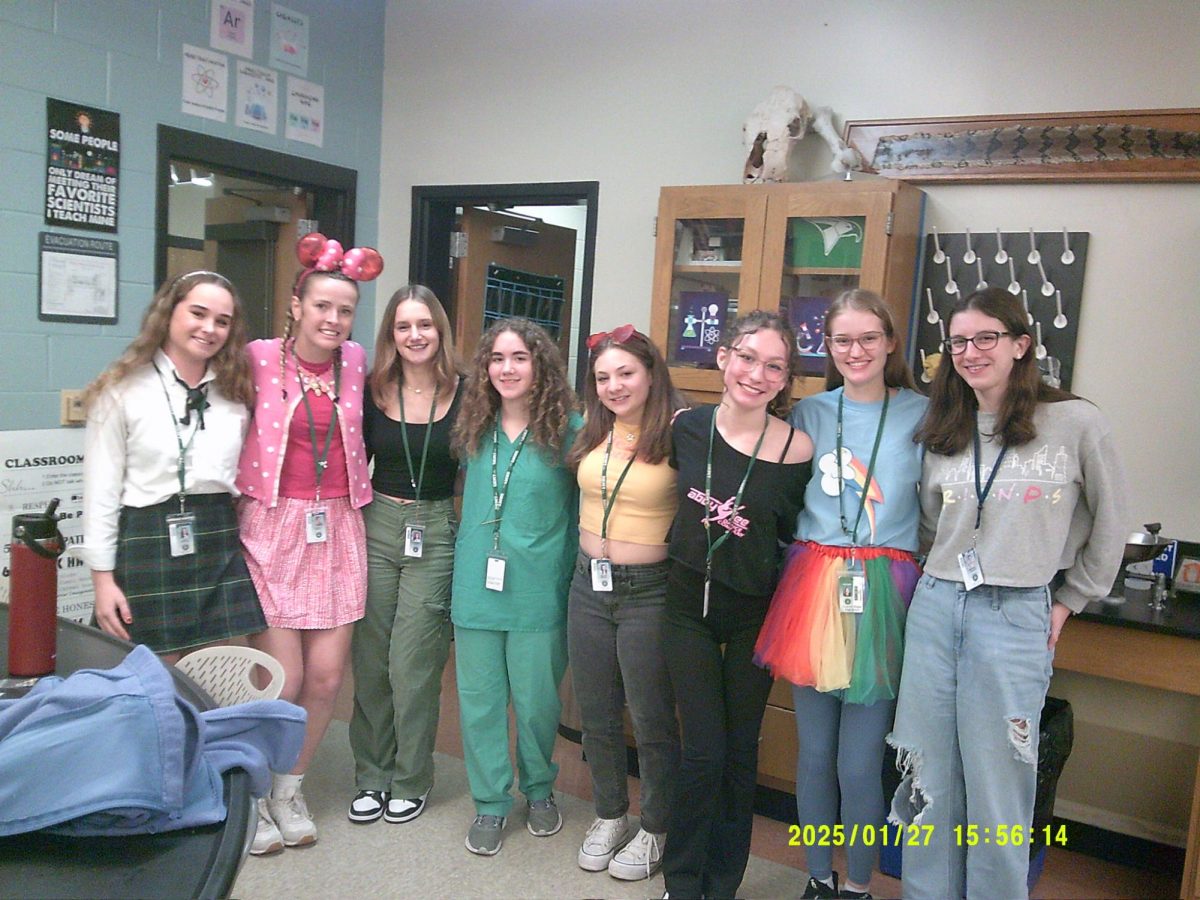
Walk through the halls between classes and you’ll notice something interesting about student fashion this year. There isn’t just one look. Instead, personal style at school is a mix of comfort, nostalgia, athletic wear, and a little bit of unpredictability. To get a clearer picture of what’s trending, a student survey asked about favorite brands, common styles, and trends students wish would disappear. The results show a community that values comfort first, individuality second, and practicality… most of the time.
Comfort Is the Clear Winner
If there’s one theme that appeared again and again in responses, it’s comfort. Students overwhelmingly described everyday outfits as relaxed, practical, and easy to wear through long school days. One freshman explained that students often choose “lululemon tights and hoodie or baggy jeans and shirt,” capturing a balance between athletic wear and casual street style.
Others echoed the same idea in simpler terms. Several respondents described the current look as “comfort over cuteness,” while another student said most people are dressing “for comfort/warmth, sweaters [and] high rise pants.” These responses suggest that fashion at school isn’t about standing out at all costs. Instead, students want clothes that help them feel relaxed and confident during busy schedules.
This shift toward comfort reflects broader cultural trends, but it also makes sense for student life. Long days, early mornings, and back-to-back classes make practicality appealing. Clothes that are easy to move in, easy to layer, and easy to repeat become everyday staples.
Baggy Is Back
One of the most frequently mentioned trends was oversized clothing. Students reported seeing “SUPER baggy jeans that like hang” and other loose silhouettes across grade levels.
Baggy jeans, sweatshirts, and relaxed hoodies are replacing tighter fits that were popular in previous years.
The appeal seems to be both stylistic and functional. Loose clothing fits into the comfort trend while also tapping into nostalgia for earlier fashion eras. Several students mentioned seeing Y2K-inspired outfits, showing that early-2000s style continues to influence what people wear today.
At the same time, not every student embraces oversized fashion. Some respondents preferred more balanced combinations, like “sweatpants with tight tops” or “baby tees [with] high straight pants.” This mix of loose and fitted pieces shows that trends are flexible rather than uniform.
Popular Brands Reflect Casual Culture
When asked about favorite brands or stores, students listed a wide range of options, but several names appeared repeatedly. Free People, Brandy Melville, Hollister, PacSun, and American Eagle were among the most frequently mentioned. Athletic brands and athleisure-inspired clothing were also common choices, with students highlighting leggings, hoodies, and sportswear as everyday essentials.
Interestingly, some students emphasized that brand names matter less than comfort and personal preference. One respondent said they were “fine wearing pretty much anything that’s comfortable,” suggesting that style identity is becoming more individualized.
Thrift shopping also appeared in responses, pointing toward growing interest in affordability and sustainability.
Instead of following one brand or aesthetic, many students are mixing items from different sources to create their own look.
Footwear Trends Divide Opinions
Shoes sparked some of the strongest reactions in the survey. Certain styles were widely seen around school, including Birkenstocks, athletic sneakers, and Ugg boots.
However, footwear also generated some of the most passionate dislikes. Multiple students said they wish flip flops or open-toed shoes would disappear from school settings, while others criticized specific sneaker styles or casual footwear choices. One response even described certain shoes as looking like “baby shoes,” showing that opinions on style can be strong and personal.
These mixed reactions highlight a broader reality: fashion trends don’t just unite students. They also spark debate and individual preference.
The Rise of Athletic and “Basic” Looks
Another consistent theme in survey responses was the popularity of athletic wear and simple outfits. Students frequently mentioned leggings, athletic dresses, sweatpants, and hoodies as common sights in the hallways.
Some respondents described the dominant style as “basic,” while others noted that many students wear “dull versions of bright colors.” Rather than bold patterns or dramatic designs, everyday fashion seems to lean toward neutral tones and simple combinations.
This preference may reflect a shift toward versatility. Neutral colors and athletic-inspired clothing can be worn in many settings, from school to extracurricular activities. For busy students, flexibility matters.
Trends Students Want Gone
While the survey revealed what students like to wear, it also showed what they hope will disappear. Responses ranged from specific clothing items to broader cultural trends. Pajama-style outfits, flip flops at school, and certain footwear choices were among the most commonly criticized looks.
Some students focused on practical concerns, such as appropriateness for school settings. Others simply expressed personal taste. Either way, the responses show that students are paying attention to what their peers wear and forming strong opinions about it.
Interestingly, a few responses mentioned social trends rather than clothing, suggesting that school culture and fashion are closely connected.
Style isn’t just about outfits. It reflects identity, group belonging, and how students see their environment.
What These Trends Say About Student Culture
Taken together, the survey results paint a picture of a student body that values authenticity and comfort more than strict fashion rules. Rather than following one dominant look, students are blending influences from athletic wear, vintage style, and everyday casual clothing.
This diversity reflects a broader cultural shift toward self-expression. Students are less concerned with dressing for a single trend and more focused on what feels right for them. At the same time, shared preferences like baggy clothing and relaxed outfits create a sense of collective style.
Fashion at school is constantly evolving, but one thing seems clear: the goal isn’t perfection. It’s practicality, personality, and comfort.
Looking Ahead
As trends continue to change, student style will likely keep shifting in response to culture, weather, and personal taste. New brands will appear, old styles will return, and debates about fashion choices will continue.
For now, though, the hallways tell a simple story. Students want to feel comfortable, look like themselves, and move through their day without worrying too much about what they’re wearing.
And if current trends are any indication, relaxed style isn’t going anywhere soon.