
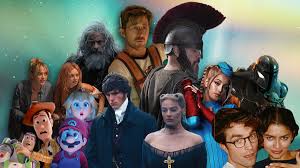
The movie landscape in 2026 is shaping up to be one of the most exciting years, driven not just by spectacle but by a renewed focus on iconic characters and emotionally grounded storytelling. While the release calendar is packed with sequels, reboots, and original ideas, four films stand out as defining pillars of the year: The Super Mario Galaxy Movie, Coyote vs. Acme, Spider-Man: Brand New Day, and Supergirl. Together, these projects reflect where modern cinema is headed: balancing nostalgia, innovation, humor, and character-driven narratives.
The Super Mario Galaxy Movie: Nintendo Goes Cosmic
After the massive success of The Super Mario Bros. Movie, Nintendo is aiming even higher. literally, with the Mario Galaxy movie, inspired by one of the most beloved entries in the franchise. Unlike the grounded Mushroom Kingdom adventures audiences are used to, this film takes Mario, Luigi, and Rosalina into outer space, introducing cosmic stakes (and FINALLY bringing us Yoshi) while preserving the charm that made the original games iconic.
What makes Mario Galaxy especially significant is its tonal shift. The Galaxy games are remembered for their emotional depth, sweeping orchestral music, and themes of wonder and loneliness: elements rarely emphasized in animated video game adaptations. The film is expected to lean into this atmosphere, particularly through Rosalina, whose quiet backstory and sense of cosmic responsibility give the story surprising emotional weight.
Visually, the movie is poised to be one of the most striking animated releases of the decade. Floating planetoids, gravity-bending action, and expansive star-filled environments allow animators to push creativity far beyond traditional platformer settings. If done right, Mario Galaxy could elevate video game movies from crowd-pleasing fun to something more artistically ambitious.
More than just a sequel, the Mario Galaxy movie represents Nintendo’s confidence in treating its franchises as cinematic worlds rather than one-off adaptations; and it could set the standard for future game-to-film projects.
Coyote vs. Acme: Comedy, Heart, and Hollywood Redemption
Few movies have had a journey as strange or as talked about as Coyote vs. Acme. After being nearly shelved despite being fully completed, the film’s eventual release in August of this year has turned it into a symbol of creative resilience in Hollywood.
The movie follows Wile E. Coyote, who, after decades of failed Acme products, takes the company to court. Mixing live-action courtroom drama with classic Looney Tunes animation, the film blends slapstick humor with satire, critiquing corporate negligence, consumer culture, and the absurdity of the legal system.
What sets Coyote vs. Acme apart is its emotional core. Wile E. Coyote, traditionally a silent punchline, is reframed as a determined underdog: one who refuses to accept endless failure as fate. This fresh perspective allows audiences to laugh while also rooting for a character who has been losing for literal generations.
The film’s hybrid animation style pays tribute to the golden age of cartoons while modernizing them for today’s audiences. Its humor appeals to both longtime Looney Tunes fans and younger viewers, making it one of the rare comedies that bridges generational gaps.
Beyond entertainment, Coyote vs. Acme has become a cultural moment: representing the fight to preserve creative work in an era increasingly driven by algorithms and corporate decisions. Its success could encourage studios to take more risks on unconventional storytelling.
Spider-Man: Brand New Day – A Fresh Start
Spider-Man: Brand New Day marks a major turning point for the character. Following the emotional ending of No Way Home, Peter Parker returns in a world where no one remembers him, not even his closest friends. Rather than escalating into multiversal chaos, this film refocuses Spider-Man on street-level storytelling and personal consequences.
This version of Spider-Man is more isolated, more grounded, and more vulnerable. Without the support system he once had, Peter must redefine who he is: not just as a hero, but as a person. The film leans into classic Spider-Man themes: responsibility, sacrifice, and the cost of doing the right thing when nobody is watching.
Action sequences are expected to emphasize agility and creativity along with scale, echoing the feel of early Spider-Man stories while still delivering modern spectacle. New villains and allies help establish a fresh direction for the franchise, one less dependent on a confusing, multi-layered cinematic universe.
Brand New Day isn’t just another sequel; it’s a soft reboot that allows Spider-Man to grow independently, reconnecting with what made the character resonate with audiences in the first place. For many fans, this could be the best and most resonant live action Spider-Man film yet.
Supergirl: A New Era for DC
With Supergirl, DC studios continues its rebooted cinematic universe by spotlighting a hero who has often lived in Superman’s shadow. This film introduces Kara Zor-El as a survivor shaped by loss, displacement, and identity, offering a darker, more introspective take than traditional superhero origin stories. Following the massive success of the recent Superman movie, DC studios is expected to produce another hit, especially since some backstory has already been established in the recent film.
Visually, Supergirl leans into cosmic science fiction, blending alien landscapes with intense action and emotional storytelling. Rather than focusing solely on heroics, the movie prioritizes character development, positioning Kara as a fully realized protagonist rather than a supporting symbol.
As one of the first major films in DC’s new direction, Supergirl carries significant weight. Its success could determine how audiences perceive the studio’s reboot, and early anticipation suggests it may become a defining entry in modern superhero cinema.
Christopher Nolan’s The Odyssey: Myth Meets Modern Cinema
Christopher Nolan’s upcoming adaptation of Homer’s The Odyssey is easily one of the most ambitious films slated for 2026. Known for transforming complex ideas into large-scale cinematic experiences (Inception, Interstellar, Oppenheimer), Nolan’s turn toward ancient myth signals a bold fusion of classical storytelling and modern filmmaking.
Rather than treating The Odyssey as a straightforward fantasy epic, Nolan is expected to emphasize the psychological and philosophical dimensions of Odysseus’s journey, exploring themes of time, memory, identity, and the cost of survival. These ideas align naturally with Nolan’s signature style, which often centers on fractured narratives and morally complicated protagonists.
The film’s scale is another major point of intrigue. With practical effects, real-world locations, and IMAX cinematography likely playing a central role, The Odyssey could become one of the most visually immersive mythological adaptations ever made. Monsters, gods, and legendary trials are expected to feel grounded and tangible rather than purely fantastical.
More than just a retelling, Nolan’s The Odyssey has the potential to redefine how ancient epics are brought to modern audiences, bridging thousands of years of storytelling through cutting-edge cinema and intellectual ambition.
Crime 101: A Gritty Return to Smart Crime Thrillers
On the opposite end of the blockbuster spectrum lies Crime 101, a sleek, tension-driven crime thriller poised to revive the kind of adult-oriented storytelling that has become increasingly rare in major studio releases. Based on Don Winslow’s novella, the film centers on a meticulous jewel thief and the detective determined to catch him, unfolding as a cat-and-mouse game built on intelligence rather than spectacle.
What makes Crime 101 stand out is its restraint. Instead of relying on explosive action, the film emphasizes strategy, character psychology, and atmosphere. Every move matters, every decision has consequences, and the tension comes from watching two sharp minds slowly close in on each other.
Stylistically, the film leans into realism, favoring grounded performances, tight pacing, and morally ambiguous characters. In a year dominated by superheroes and high-concept fantasy, Crime 101 offers a refreshing alternative: a focused, adult thriller that trusts its audience to stay engaged without constant escalation.
If successful, Crime 101 could signal a renewed appetite for mid-budget, prestige crime films; proving there’s still space in modern cinema for quiet intensity and smart storytelling.
Avengers: Doomsday – The End of the Heroic Age
Avengers: Doomsday positions itself as one of the most consequential Marvel films in years, signaling a dramatic shift away from the familiar optimism that once defined the franchise. Rather than centering on unity and triumph, Doomsday leans into collapse of systems, of ideals, and potentially of the Avengers themselves.
The film is expected to explore a fractured world where Earth’s mightiest heroes are no longer universally trusted or even fully aligned. Recent trailers have revealed the return of classic and beloved actors stepping back into the shoes of the heroes they are known for. Threats in Doomsday are less about a single villain and more about inevitability: the consequences of years of multiversal tampering, unchecked power, and moral compromise finally coming due. In this sense, the title isn’t just about destruction—it’s about reckoning.
As Marvel looks to redefine itself for a new era, Doomsday serves as both a climax and a reset point. Whether it marks the fall of the Avengers as audiences know them or the birth of something new, the film is positioned to reshape the future of the MCU—making it one of the most anticipated and pivotal releases of 2026.